
Basement insulation in Mission Viejo CA - a warmer room with no damp hidden in the walls
Cold basement walls, a chilly room downstairs or a musty smell? We check for moisture first, then insulate the walls the right way.
How do you insulate a basement in Mission Viejo without trapping moisture?
Basement insulation in Mission Viejo means adding insulation to your basement walls so the room holds its temperature and carries less sound from the rest of the house. The outside of the wall is the better spot, but on a house that's already built that means digging, so we work from the inside.
Most basement calls start the same way, with a room downstairs that's always colder than the rest of the house or a finished space nobody wants to sit in. The price moves with how much wall you've got, whether it's bare concrete or finished drywall, which material goes on, and how much moisture work has to happen first, such as vapor barrier installation. The schedule turns on that same moisture work and on any permit, which we file ourselves along with booking the inspections. You get your own figure on the estimate, once I've seen the walls.
- Fully licensed and insured.
- Free quotes on site.
- Replies within 1 business day.
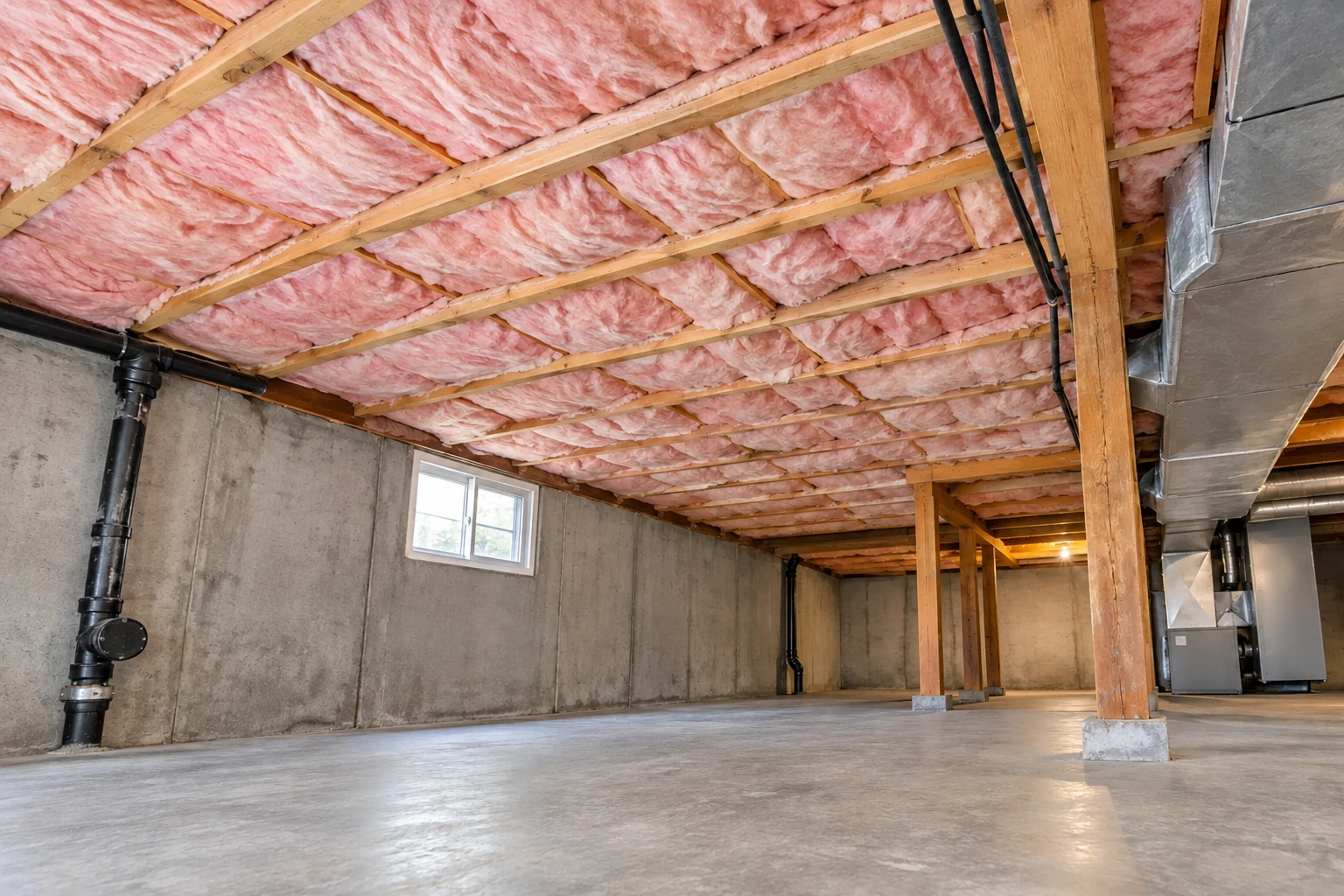
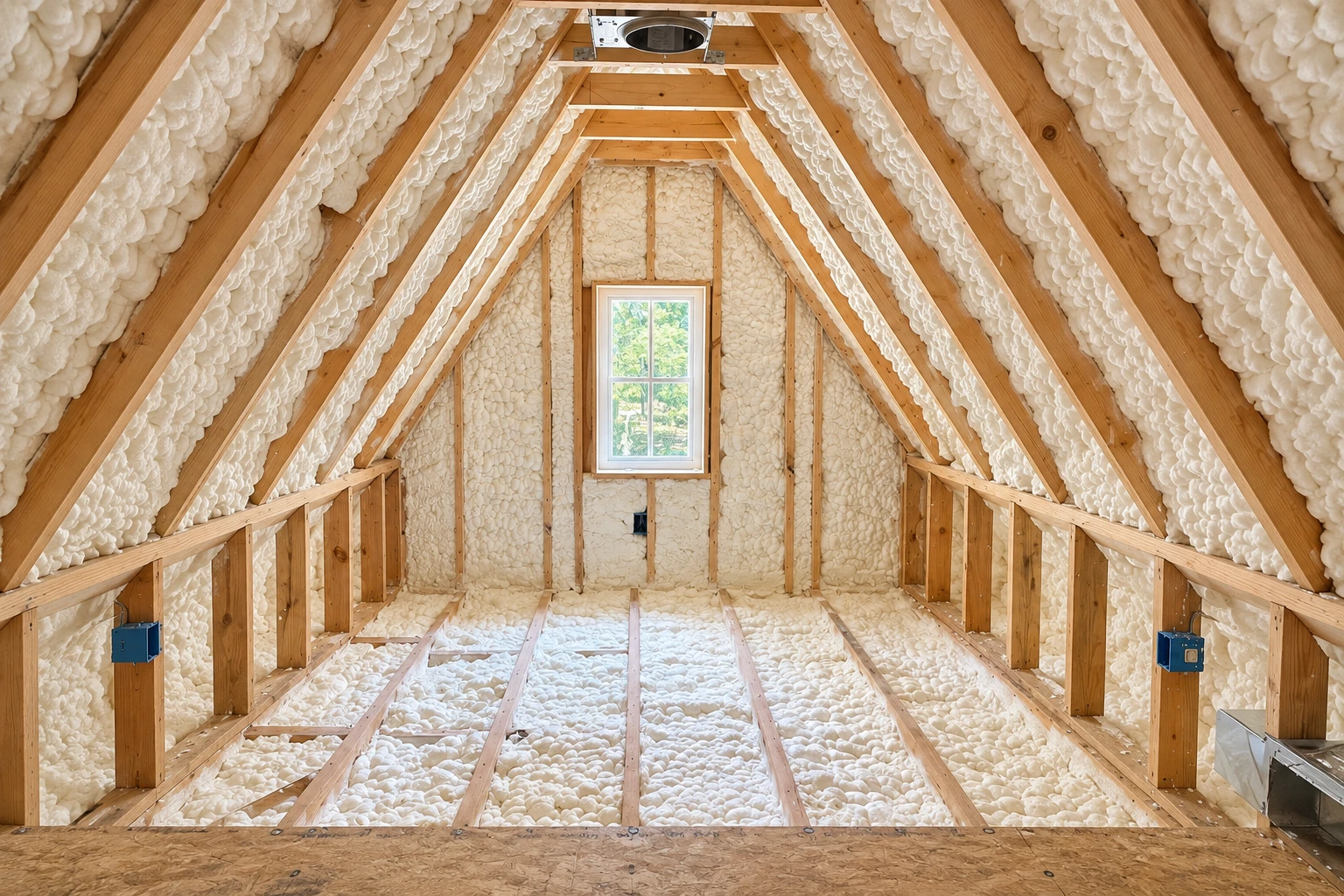
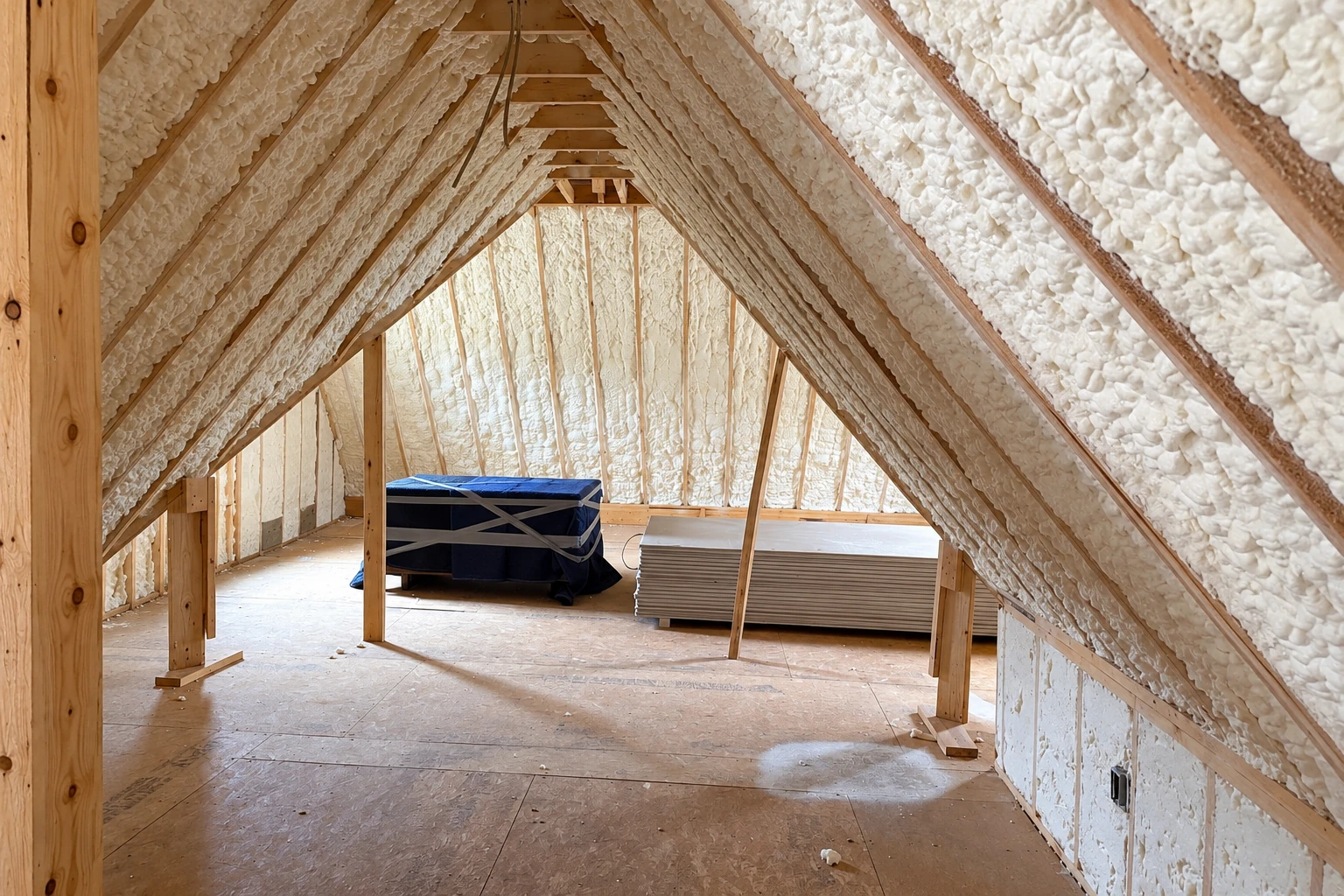
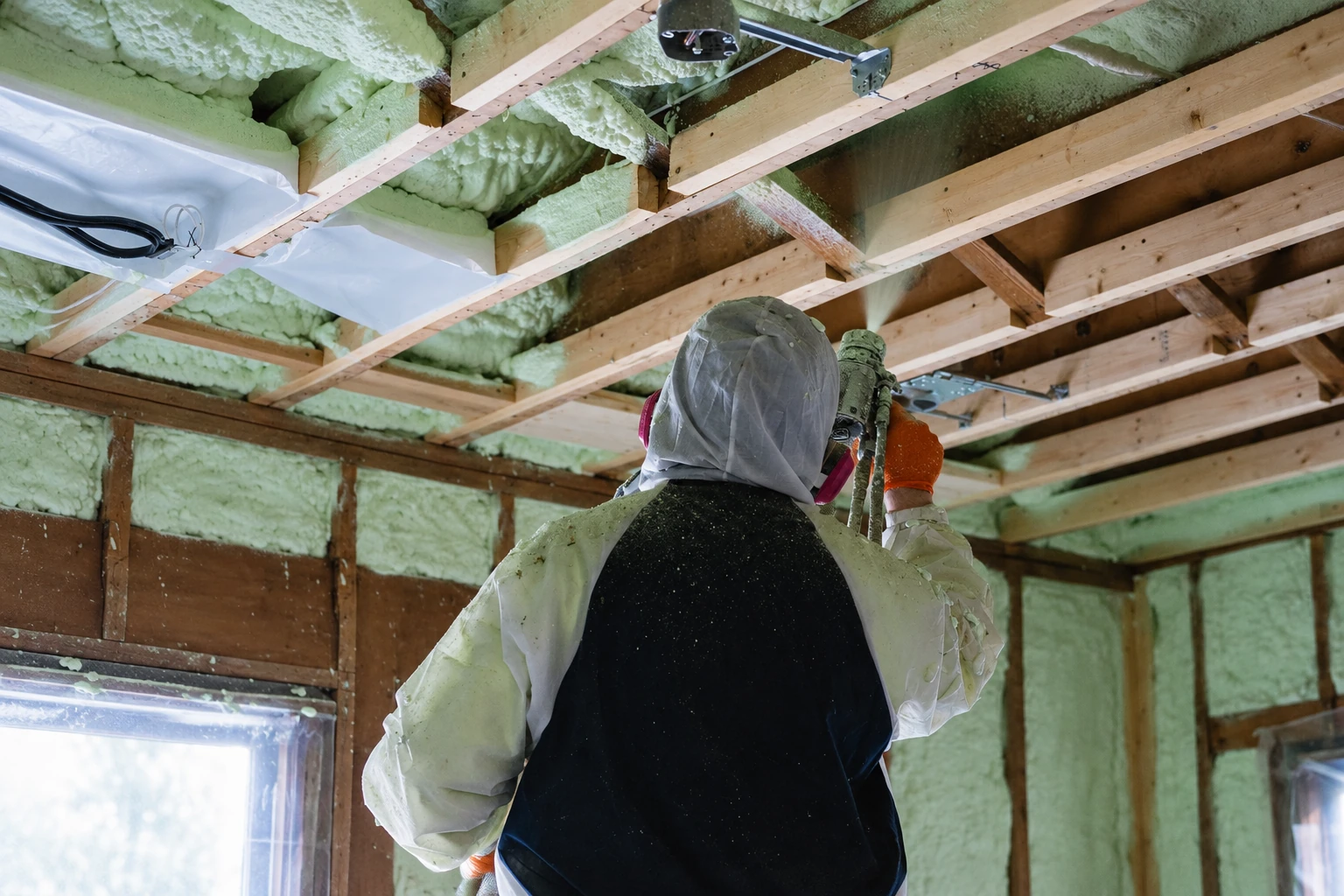
What basement insulation looks like
How we handle basement insulation
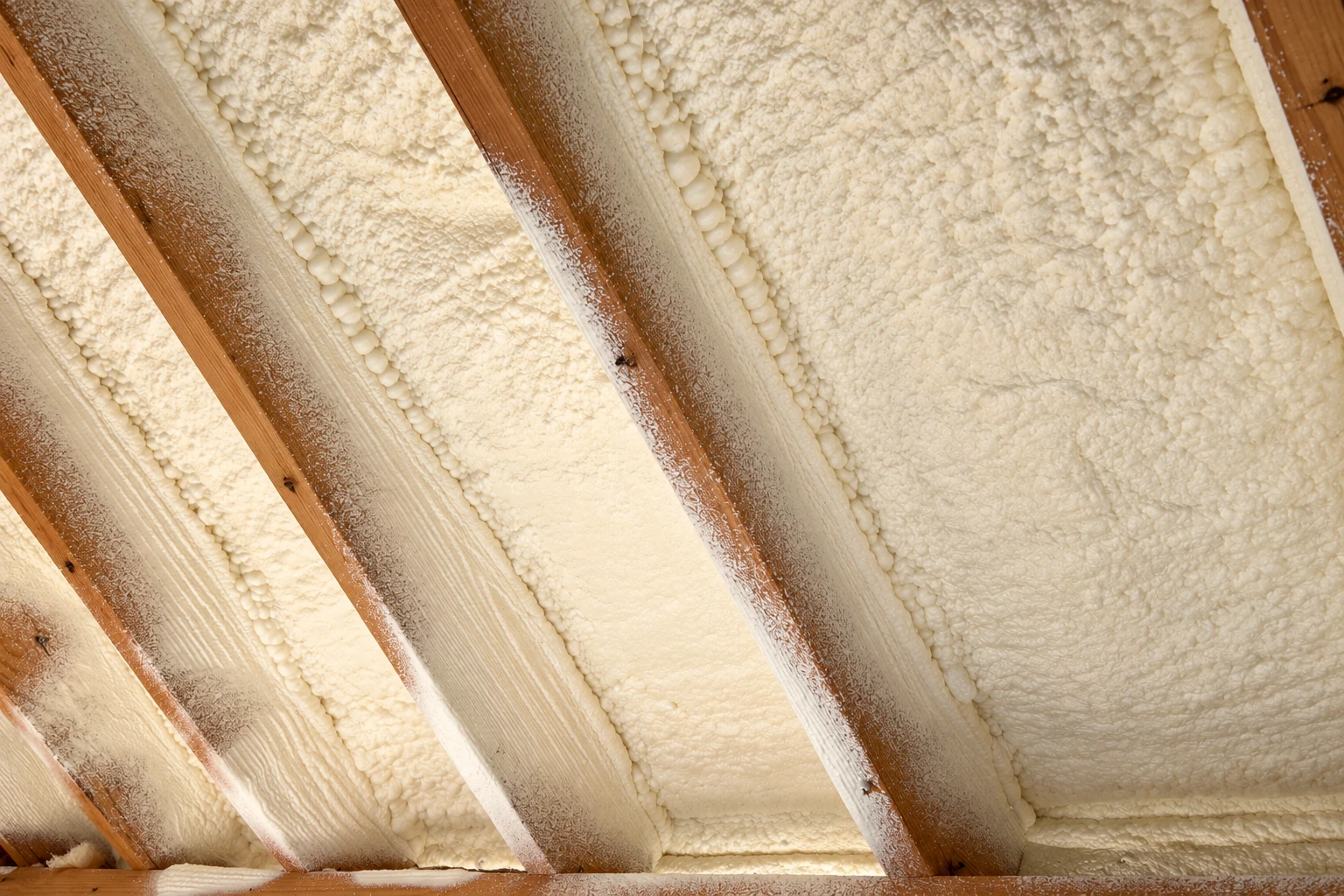
The first thing I look at is whether your walls are bare or already finished, because they get different methods. Next is water. If a wall is damp or water is getting in, that gets sorted out before any insulation goes over it, since insulation is very good at hiding things and that's the problem. Federal guidance puts moisture control ahead of insulation for the same reason. On bare foundation walls, the options are spray foam or rigid foam panels right on the wall, or a framed wall filled with batts or blown-in, which is loose fill blown through a hose, then closed up with drywall. Finished walls usually get insulated through the drywall instead of torn out, and the questions below explain how. When foam goes up, federal guidance calls for covering any foam that isn't fire-rated with an ignition barrier, a fire-resistant layer or drywall, so that cover is part of the plan from the start.
If foam is the right call, it's usually one of two kinds. Closed-cell foam insulation is dense, blocks moisture and costs more, and it earns that price on bare concrete that runs damp. Open-cell foam insulation is lighter and does a good job on sound, but it lets moisture through, so it belongs on a wall that's already dry.
Why Mission Viejo homeowners call us for basement insulation
I look before I quote
I come out, look at the walls myself and write the estimate, and I check our installers' work before we leave. I started this business in Mission Viejo in 2023, after learning the trade on an insulation crew in Orange County attics.
Damp walls get fixed first
If a wall is wet, I'll tell you the job isn't ready before I'll take your money and cover it up. You'd rather hear that from me now than find it behind the drywall later.
Mission Viejo permits filed online
The city takes all permits and inspection requests through its online permit portal, and it adds its own local changes to the state building codes. When your job needs a permit, we register, file it and keep up with what the city asks for, so you don't have to.
Fully licensed and insured
We're fully licensed and insured. In a basement the work ends up behind a wall, so it's worth knowing who put it there.
On a basement, the order of the work matters more than the material, because whatever goes on last hides everything under it. When you reach out, tell us roughly how many square feet the basement is, whether the walls are bare or finished, and any signs of water you've noticed.
Get a basement insulation estimate built around your walls
Send the form and we'll reply within one business day to set a time. I'll come look at your basement and write a free estimate on site, with no pressure to book.
- Fully licensed and insured.
- Free quotes on site.
- Replies within 1 business day.
What happens after you call about basement insulation in Mission Viejo?
Call or send the form
Call (949) 619-8030 or send the form, and I'll get back to you to set a time to come out. We take calls Monday through Friday from 6 AM to 9 PM and weekends from 7 AM to 9 PM.
I come look at the basement
I check whether the walls are bare or finished and look for water and moisture, then write an estimate that lists each step in the order we'd do it. You see what the job involves and what it costs before you decide anything.
We handle permits and inspections
If the job needs a permit, we file it and book the inspections. Mission Viejo inspects the next business day when the request goes in before 4:00 PM the day before, so inspections rarely hold a job up for long.
We install, then I check
Our installers do the work once any moisture problem is handled. I check it before we call it done.
Basement insulation questions in Mission Viejo
How much does basement insulation cost in Mission Viejo?
Across the US, insulating a basement usually costs about $4.50 to $6.40 per square foot. Whether the walls are bare or finished, which material goes on and how much moisture work comes first all move where your job lands, and your own figure comes on the estimate. The work is backed by our satisfaction guarantee.
How do I insulate a finished basement without tearing out the walls?
You drill holes in the finished wall and blow insulation into the spaces inside the framing, so the drywall stays where it is. Federal guidance lists this as the way to do a finished basement, and we check for dampness first because nobody can see the back of that wall once it's full.
What should be checked before insulating a basement?
A federal checklist calls for checking the basement for asbestos, lead paint, water coming in, moisture and pest damage before any work starts, with a list of problems going to the owner so they get fixed first. It's also fair to ask a contractor whether they'll check combustion appliance safety, carbon monoxide and insects.
What is the best way to insulate a damp basement wall?
Sort out the moisture first and insulate second, since insulation over a wet wall only hides the water. After that, research from 2010 found closed-cell spray foam gave the best moisture control of any insulation used on the inside of foundation walls.
Do I need a vapor barrier on basement walls with batt insulation?
For batts or other fibrous insulation on below-grade walls, federal guidance names two vapor retarders, which are layers that slow moisture, Kraft-faced fiberglass batts or latex paint on the drywall. The type matters, because the wrong one can trap moisture inside the wall.
Who is licensed to install insulation in California?
California's contractor license board puts insulation under its C-2 Insulation and Acoustical class, which covers installing any insulating media. That takes in foam, foam board, batts and blown-in, so the whole basement job falls under one class.
Services that go with basement insulation
Closed-cell foam insulation
Worth a look if your basement walls are bare concrete that tends to run damp, since this dense foam keeps moisture from getting through.
Open-cell foam insulation
A softer foam for walls that are already dry, handy when the main goal is a quieter room downstairs.